
The world of technology never stands still. Every year brings new breakthroughs that change how we live, work, and connect. But 2026 is shaping up to be truly different.
From smarter AI tools to faster internet and greener tech, the trends emerging this year are not just exciting — they are life-changing. Whether you are a business owner, student, or simply curious, understanding these trends will help you stay ahead of the curve.
In this article, you will discover the most important technology trends of 2026, why they matter, and how they are already shaping our world.
What Are Technology Trends?
Technology trends are shifts in how digital tools, systems, and innovations evolve over time. They reflect what industries, developers, and everyday users are moving toward.
In simple terms, a technology trend is any new development that is gaining wide adoption and changing the way things are done — from how businesses operate to how people communicate and learn.
Staying updated on tech trends helps you make smarter decisions, whether in your career, business, or daily life.
Top Technology Trends Dominating 2026
1. Artificial Intelligence Gets Smarter and More Accessible
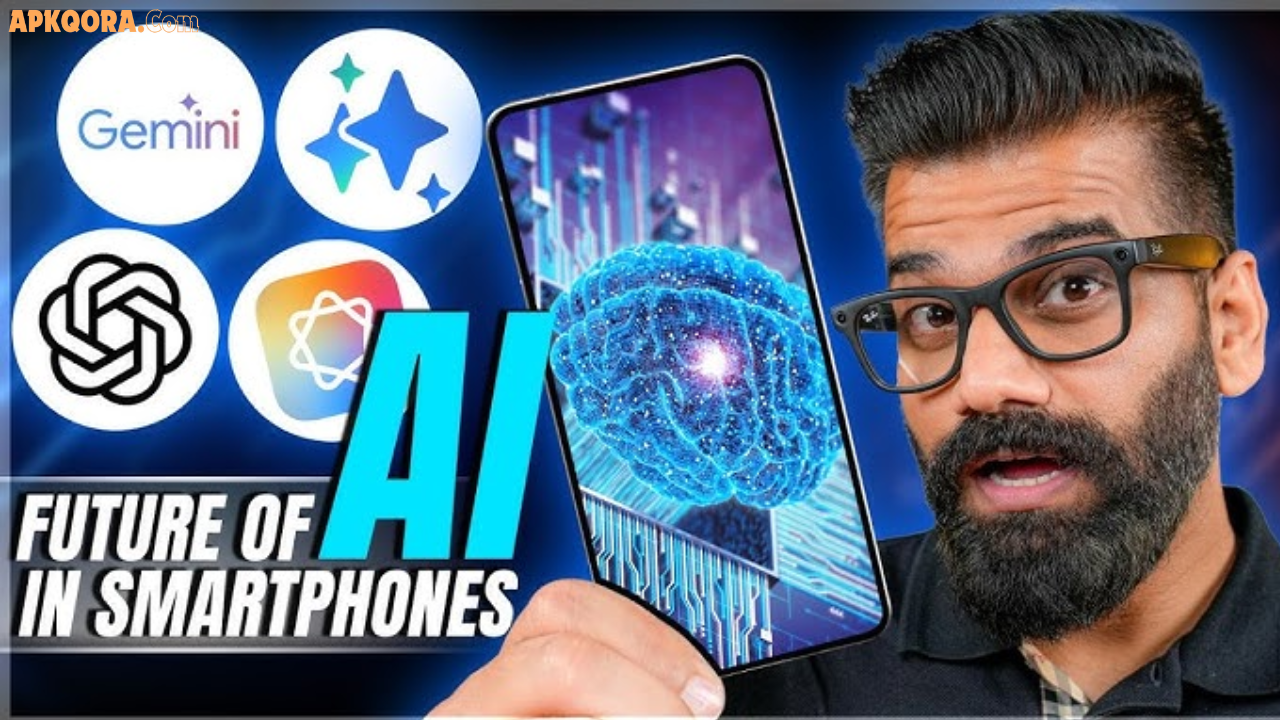
AI is no longer just a buzzword. In 2026, it has become part of everyday tools — from writing assistants to customer support bots and medical diagnosis systems.
What makes this trend powerful is how accessible AI has become. Small businesses and individuals can now use AI tools that were once available only to large corporations.
Real-life example: Doctors in hospitals are using AI to detect diseases in medical scans faster and more accurately than ever before.
Explore tools: Platforms like Google AI, Microsoft Copilot, and various open-source tools are making AI available to everyone.
2. Generative AI in Creative Industries
Generative AI — the type that creates text, images, music, and video — has exploded in 2026. It is transforming creative industries in a major way.
Designers, writers, marketers, and educators are using generative AI to speed up their workflow, brainstorm ideas, and produce high-quality content faster.
This does not mean human creativity is being replaced. Instead, AI is acting as a powerful creative partner.
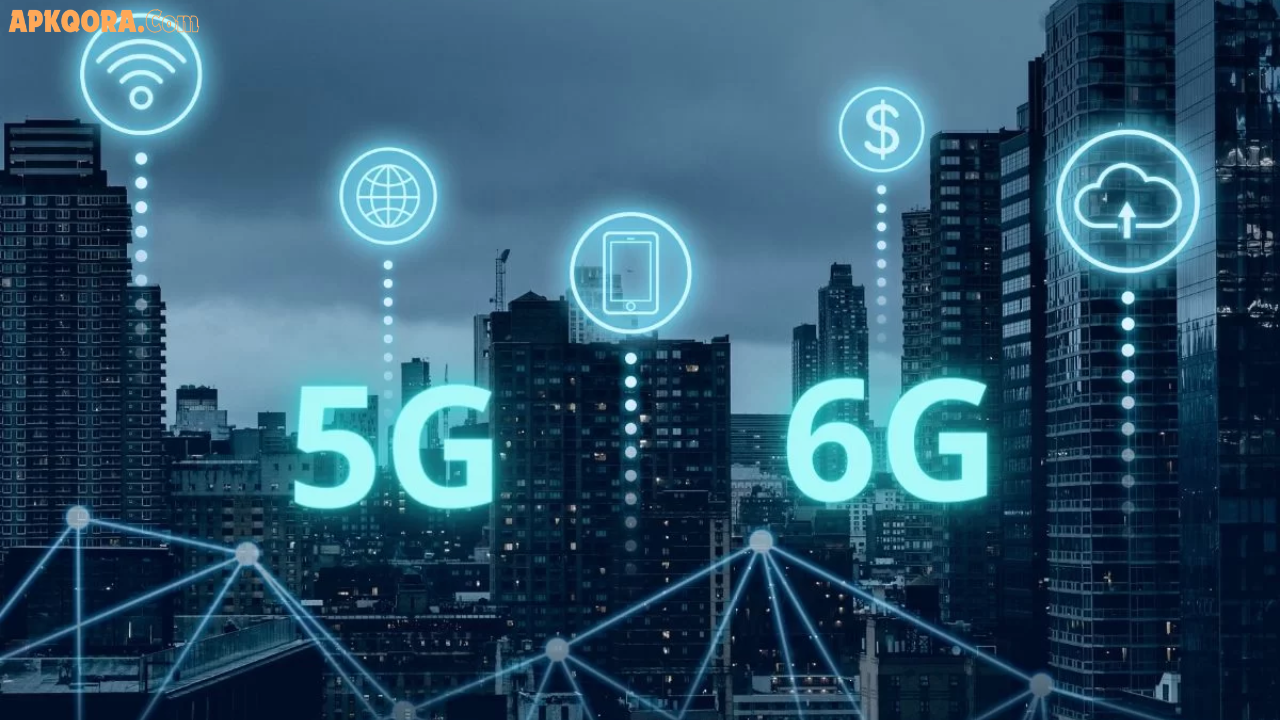
3. 5G Expansion and the Rise of 6G Research
5G networks have now reached most major cities around the world. The result? Faster downloads, lower delays, and smarter connected devices everywhere.
But the tech world is already looking ahead. Research into 6G technology is well underway, promising speeds that will make today’s 5G look slow.
Why it matters: Faster connectivity supports everything from remote work to smart cities and self-driving cars.
4. Quantum Computing Moving Toward Real-World Use
Quantum computing is no longer just a science experiment. In 2026, major technology companies are testing quantum computers for real-world applications.
These machines can process complex data at incredible speeds, solving problems that would take traditional computers thousands of years.
Key areas of impact:
- Drug discovery and healthcare
- Financial modeling
- Climate change research
- Cybersecurity
Learn more: Companies like IBM, Google, and startups worldwide are actively pushing quantum computing into practical use.
5. Cybersecurity Becomes a Top Priority
As more of our lives move online, cybersecurity has become one of the most critical fields in technology.
In 2026, new AI-powered security tools are helping organizations detect threats faster and respond before damage is done.
At the same time, cybercriminals are also using AI — making the battle between attackers and defenders more intense than ever.
Practical tip: Whether you are an individual or a business, keeping your software updated and using strong passwords is your first line of defense.
6. Sustainable and Green Technology
The push for a cleaner planet is driving massive innovation in green technology. Solar energy, electric vehicles, smart grids, and energy-efficient data centers are all growing rapidly.
In 2026, sustainability is not just an environmental goal — it is a business strategy. Companies that invest in clean technology are gaining competitive advantages.
Real-life example: Major tech companies have pledged to run entirely on renewable energy, pushing the entire industry toward greener practices.
7. Extended Reality (XR) — AR, VR, and Mixed Reality
Extended Reality — which includes Augmented Reality (AR), Virtual Reality (VR), and Mixed Reality (MR) — is finding serious use cases beyond gaming.
In 2026, XR is being used in:
- Medical training and surgery simulation
- Remote collaboration and virtual offices
- Education and interactive learning
- Retail shopping experiences
The hardware is also getting lighter, cheaper, and more comfortable, making it easier for more people to experience XR.
8. Edge Computing and Smarter IoT Devices
The Internet of Things (IoT) connects billions of devices — from smart home gadgets to industrial machines. Edge computing takes this further by processing data closer to where it is collected, rather than sending everything to a distant server.
This means faster responses, lower costs, and better performance for smart devices.
Why it matters: In industries like manufacturing, healthcare, and transportation, split-second decisions matter. Edge computing makes those decisions faster and more reliable.
9. Autonomous Systems and Robotics
Self-driving cars, delivery drones, and warehouse robots are all examples of autonomous systems that are growing rapidly in 2026.
These systems use a combination of AI, sensors, and machine learning to operate without direct human control.
While fully self-driving cars are still rolling out carefully, autonomous robots in warehouses and factories have already become standard in many parts of the world.
10. Personalized Healthcare Through Technology
Health technology — or HealthTech — is booming. Wearable devices now monitor heart rate, blood oxygen, sleep patterns, and even stress levels in real time.
In 2026, personalized medicine powered by data and AI is helping doctors create treatment plans tailored to each individual patient.
Get started: Wearables like smartwatches are an easy entry point for anyone wanting to track and improve their personal health.
Key Benefits of Following Technology Trends
- Stay competitive in your career or business
- Make better decisions by understanding where the world is heading
- Discover new opportunities before they become mainstream
- Save time and money by adopting smarter tools early
- Improve quality of life through better health, communication, and productivity tools
Pros and Cons of Rapid Technological Change
Pros
- Faster solutions to complex problems
- Greater access to information and education
- New career opportunities and industries
- Improved healthcare and quality of life
- More sustainable and eco-friendly options
Cons
- Job displacement in some traditional industries
- Privacy and data security concerns
- Digital divide between those with and without access
- Over-reliance on technology
- Environmental impact of manufacturing new devices
Practical Tips to Stay Ahead in 2026
- Keep learning continuously. Follow trusted technology news sources and blogs to stay updated.
- Experiment with AI tools. Many are free or low-cost — explore what they can do for your work.
- Focus on digital skills. Programming, data analysis, and cybersecurity are among the most valuable skills today.
- Think about sustainability. Choose technology solutions that are energy-efficient and eco-friendly.
- Protect your digital security. Use strong passwords, enable two-factor authentication, and stay alert to online threats.
- Network with like-minded people. Join online communities and forums where tech professionals share knowledge.
FAQs — Top Technology Trends 2026
Q1: What is the biggest technology trend in 2026? Artificial Intelligence remains the dominant trend of 2026. It is influencing nearly every industry — from healthcare and education to finance and creative work.
Q2: How can I benefit from technology trends as an individual? You can start by learning new digital skills, exploring free AI tools, and staying informed through reliable technology news sources. Small steps go a long way.
Q3: Is quantum computing available for everyday use in 2026? Not yet for most people. Quantum computing is still in the early stages of real-world application. However, businesses and research institutions are beginning to access it through cloud platforms.
Q4: Are there risks to following new technology trends? Yes. New technologies can bring privacy risks, job changes, and security challenges. It is important to stay informed and approach new tools critically.
Q5: What skills are most valuable in a tech-driven world in 2026? The most in-demand skills include AI and machine learning knowledge, cybersecurity, data analysis, cloud computing, and strong communication skills.
Conclusion
Technology in 2026 is moving faster than ever — and the trends shaping this year are not just impressive, they are deeply practical. From AI tools you can use today to quantum breakthroughs on the horizon, there has never been a better time to stay informed and engaged.
The good news is that you do not need to be an expert to benefit from these advancements. Start small, stay curious, and keep exploring.
Learn more about each of these trends through trusted resources, and take one step today toward a smarter, more connected future.