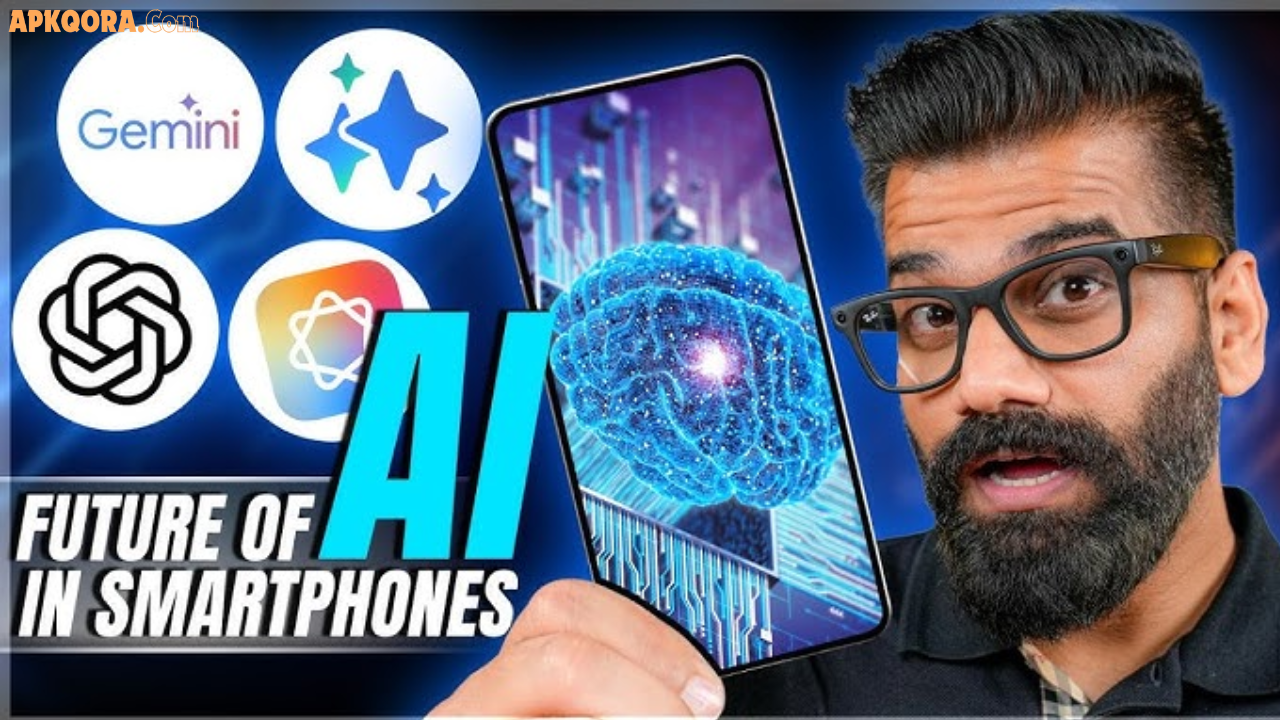

Imagine picking up your phone and it already knows what you need — before you even ask. That’s not science fiction anymore. In 2026, artificial intelligence has become the backbone of every smart device we use daily.
From cameras that think like photographers to batteries that learn your habits, AI is quietly revolutionizing the gadgets in our hands. In this article, you’ll learn exactly how AI is shaping modern smartphones, what features to look for, and how to get the most out of your AI-powered devices.
What is AI in Smartphones and Gadgets?
AI in smartphones refers to built-in intelligence that helps your device learn, adapt, and make decisions on its own. Instead of following fixed rules, AI-powered gadgets analyze your behavior and improve over time.
For example, your phone’s camera doesn’t just take a photo — it studies the lighting, detects faces, and automatically adjusts settings to give you the best shot. That’s AI working silently in the background.
In 2026, this technology has moved far beyond cameras. It now powers voice assistants, health tracking, battery management, security systems, and much more.
Key Ways AI is Transforming Smartphones in 2026
1. AI-Powered Cameras
Modern smartphone cameras use AI to deliver results that were once only possible with professional equipment.
- Scene detection — AI identifies whether you’re shooting food, landscapes, or portraits and adjusts automatically
- Night mode — Multiple exposures are merged instantly for bright, clear low-light photos
- Real-time editing — Remove backgrounds, enhance colors, and fix blurry images instantly
- Video stabilization — Smooth footage even while walking or running
Brands like Samsung, Google, and Apple have invested heavily in AI camera systems, and the results speak for themselves.
2. Smart Battery Management
One of the most practical AI improvements is how phones now manage battery life.
AI studies your daily routine — when you charge, which apps you use most, and when your phone sits idle. Based on this, it automatically limits background activity and optimizes charging speed to extend battery health over time.
This means your battery lasts longer both daily and over the years.
3. AI Voice Assistants That Actually Understand You
Voice assistants in 2026 are far more capable than earlier versions. They don’t just respond to commands — they understand context.
For instance, if you say “remind me about that meeting tomorrow,” your assistant checks your calendar, understands which meeting you mean, and sets the reminder — without you spelling everything out.
Natural language processing has improved so much that conversations with AI assistants now feel genuinely human.
4. On-Device AI Processing
Earlier, AI tasks were handled by cloud servers. In 2026, most flagship smartphones carry dedicated AI chips (also called NPUs — Neural Processing Units) that run AI tasks directly on the device.
This brings three major benefits:
- Faster response times — No waiting for server communication
- Better privacy — Your data stays on your device
- Works offline — AI features work even without internet
Qualcomm’s Snapdragon 8 Elite and Apple’s A18 chip are strong examples of this shift.
5. AI Health and Fitness Monitoring
Smartphones and wearables now act like personal health advisors.
- Sleep tracking that detects patterns and gives actionable advice
- Heart rate and oxygen monitoring with early warning alerts
- Stress detection through sensor data
- Personalized fitness recommendations based on your history
These features aren’t just convenient — for many people, they’ve become genuinely life-changing tools.
6. AI-Enhanced Security
Facial recognition and fingerprint scanning have become smarter and faster thanks to AI.
Your phone now learns the subtle ways your face changes — different lighting, glasses, or a new haircut — and still recognizes you accurately. Some devices even detect unusual usage patterns and lock automatically if something seems off.
Best AI Features to Look for in a Smartphone (2026)
If you’re planning to upgrade your device, here are the most valuable AI features worth prioritizing:
| Feature | Why It Matters |
|---|---|
| Dedicated AI chip (NPU) | Faster, private on-device processing |
| AI camera system | Better photos in all conditions |
| Smart battery optimization | Longer daily and long-term battery life |
| Advanced voice assistant | Hands-free productivity |
| AI health monitoring | Real-time wellness tracking |
| Adaptive display | Auto-adjusts brightness and refresh rate |
Pros and Cons of AI in Smartphones
✅ Pros
- Devices become more personalized over time
- Significantly better camera quality
- Improved battery life and performance
- Faster and more natural voice interaction
- Enhanced security and privacy features
❌ Cons
- AI features consume more processing power initially
- Some AI tools require an internet connection
- Privacy concerns if data is mishandled
- Higher cost in premium AI-focused devices
- Learning curve for users unfamiliar with new features
Practical Tips to Get the Most from AI on Your Device
1. Keep your software updated AI models improve through updates. Always install the latest software to access better AI capabilities.
2. Personalize your settings Spend a few minutes exploring your phone’s AI settings. Enable adaptive battery, set up your voice assistant, and customize your camera AI preferences.
3. Use AI for productivity Try AI-powered note-taking apps, smart email replies, and real-time translation tools. These save significant time throughout your day.
4. Monitor your health data regularly If your device tracks health metrics, review them weekly. Patterns over time are more meaningful than single readings.
5. Understand privacy settings Review what data your AI features collect. Most modern devices let you control this — take a few minutes to set your comfort level.
FAQs
Q1: Do all smartphones have AI features in 2026? Most modern smartphones include some level of AI, even in mid-range models. However, advanced AI capabilities like dedicated chips and real-time processing are more common in flagship devices.
Q2: Does AI on smartphones affect battery life negatively? Initially, AI processing can use more power. However, smart battery management AI compensates by reducing unnecessary background activity, often resulting in net better battery life.
Q3: Is my personal data safe with AI features? Most reputable manufacturers process AI tasks directly on your device, meaning your data never leaves your phone. Always review privacy settings and choose trusted brands to stay protected.
Q4: Can AI on smartphones replace a professional camera? For everyday photography and even professional-quality content creation, AI-powered smartphone cameras are now incredibly capable. For highly specialized professional work, dedicated cameras still hold advantages.
Q5: Will AI make older smartphones obsolete? Not immediately. Older devices will still function normally. However, many advanced AI features require newer hardware, so upgrading does unlock significantly better capabilities.
Conclusion
AI is no longer a future promise — it’s already in your pocket. In 2026, smartphones and gadgets have become smarter, more personal, and more useful than ever before, thanks to artificial intelligence working behind the scenes.
Whether it’s capturing a perfect photo, managing your health, or simply making your day more productive, AI is quietly improving every interaction you have with your devices.
If you’re curious to explore more about the latest in AI-powered technology, keep learning and stay updated — the best features are still being built.