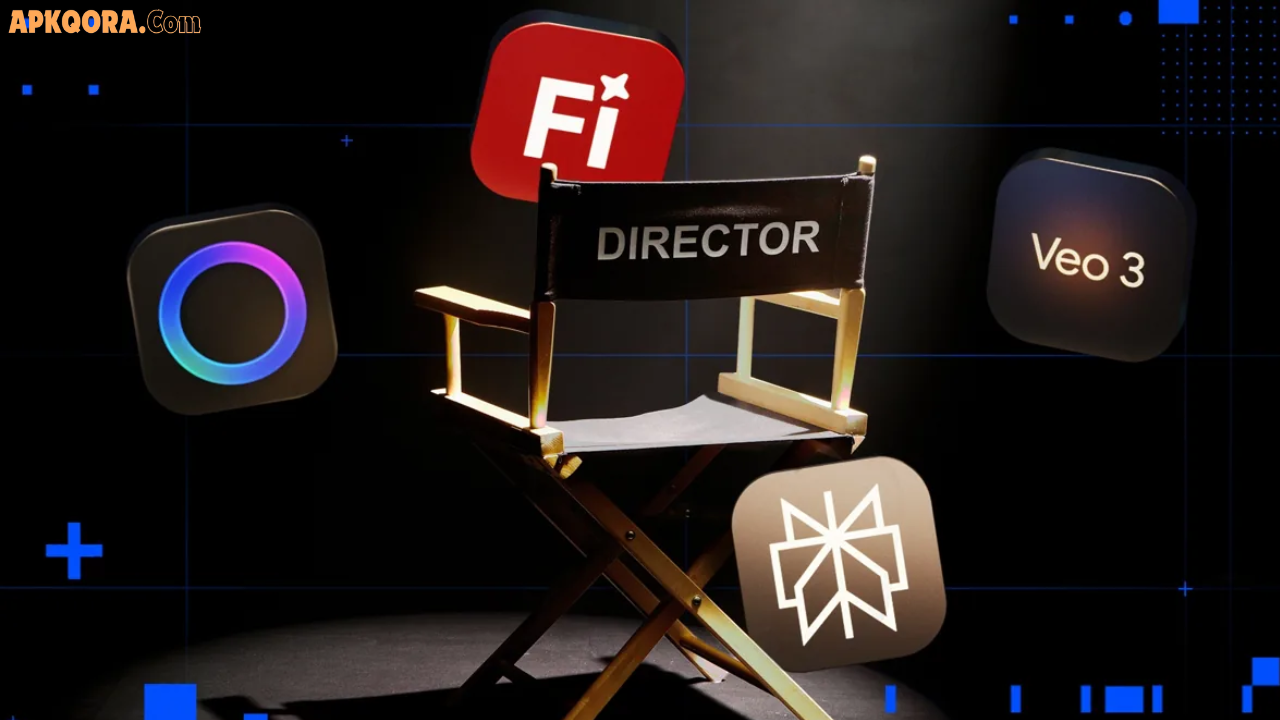

Creating stunning visuals used to take a full production team, expensive software, and weeks of work. In 2026, all you need is a good idea and the right AI tool.
Whether you want to generate eye-catching images for social media or produce cinematic video clips from a simple text prompt, AI generators have completely changed the game. In this guide, you’ll discover the best AI image and video generators available right now — tested, compared, and broken down so you can choose the right one for your goals.
What Are AI Image and Video Generators?
AI image and video generators are web-based platforms that turn your text descriptions — called “prompts” — into original visual content. You type what you want to see, and the AI creates it from scratch.
These platforms allow you to input a text prompt, and sometimes a reference image, and the platform produces original visuals. Pixazo Blog Some tools focus purely on images, while others generate full video clips with motion, sound, and cinematic camera movements.
In 2026, these tools have moved far beyond basic experimentation. According to a survey by Canva and Morning Consult, nearly 49% of marketers worldwide now use AI for image and video generation on a daily basis. That’s not a trend — that’s a new standard.
Why AI Visual Tools Matter in 2026
The numbers speak for themselves.
The global AI video generator market was valued at $788.5 million in 2025 and is projected to grow to $3.44 billion by 2033, at a compound annual growth rate of 20.3%.
Early data shows that AI assistance on video projects saves an average of 14 hours per project and reduces per-video costs by approximately $1,500. AI-powered training videos typically cost 50–80% less than traditional production.
For content creators, marketers, and small businesses, this means professional-quality visuals are now within reach — without a big budget.
Best AI Image Generators in 2026
1. Midjourney — Best for Visual Quality
Midjourney is consistently ranked as the top AI image platform for output quality and visual artistry. Its images carry a cinematic, compositionally refined quality that most other platforms still struggle to match — whether you’re generating fantasy landscapes, editorial portraits, product concepts, or brand moodboards.
In 2026, Midjourney moved fully to a web-based interface, making it more accessible than ever. What sets it apart isn’t just quality — it’s consistency. Unlike tools that deliver stunning results 30% of the time and mediocre ones the rest, Midjourney reliably produces polished, styled imagery from well-crafted prompts.
Best for: Designers, marketers, and artists who need high-quality, consistent image output.
2. Adobe Firefly — Best for Commercial Safety
Adobe Firefly occupies a specific and important niche: it is the most commercially safe AI image and video generation option available, because Adobe trained its models exclusively on licensed Adobe Stock content, publicly licensed material, and public domain works. There are no gray-area copyright concerns associated with its outputs.
For social media content and on-the-go work, the mobile app can create and transform images and even generate sound effects. Everything syncs through Creative Cloud, so all your creations are available on all your devices.
Best for: Brands, agencies, and enterprises that need copyright-safe visuals for commercial use.
3. Claid.ai — Best for Product Photography
Claid.ai is purpose-built for product and fashion video generation. Unlike general creative models that might warp a logo or add unwanted details, Claid protects the product’s structural integrity while adding professional motion to lighting or backgrounds. Let’s Enhance
Best for: eCommerce brands and product photographers needing clean, conversion-ready visuals.
Best AI Video Generators in 2026
1. Runway — Best for Filmmakers
Runway has established itself as a powerhouse in the AI video generation space, offering a suite of advanced tools that provide granular control over the creative process. It’s a favorite among filmmakers and VFX artists who need to do more than just generate a clip from a prompt.
Key features include advanced camera controls, a Multi-Motion Brush for animating specific regions of an image, and the ability to train custom AI models on your own visual style.
Best for: Creative professionals, filmmakers, and VFX artists.
2. Google Veo 3.1 — Best for Realism
In terms of realism, stability, and sound integration, Veo feels like one of the most production-ready tools available. Scenes hold together well with strong physical behavior and very few visual artifacts. Image-to-video in particular feels strong, especially in terms of depth, lighting, and environmental detail.
Best for: Creators who need cinematic realism and strong audio-visual quality.
3. Synthesia — Best for Business Videos
Synthesia is used by companies of every size — including more than 90% of the Fortune 100 — to create training videos, onboarding content, product explainers, and internal communications in 160+ languages.
Synthesia’s avatars are designed for professional presentation, capable of specific gestures like pointing at graphs or nodding, making them perfect for corporate training modules.
Best for: HR teams, educators, and businesses creating professional explainer videos.
4. Kling AI 3.0 — Best Free Option
Kling 3.0 remains an undisputed leader in physics-aware generation. By utilizing a “Spatial-Temporal Attention” mechanism, it mimics gravity, fluid dynamics, and inertia with impressive accuracy — capable of rendering complex interactions without the visual “melting” common in earlier models. Atlas Cloud
Best for: Creators looking for high-quality results without a premium subscription.
5. Higgsfield.ai — Best All-in-One Studio
Higgsfield.ai has evolved from a simple generator into a full professional studio. It offers image generation, video animation, editing, and transitions all in one place — giving serious AI video creators the entire toolbox in a single, affordable platform.
Best for: Prosumer creators who want complete control over their video production workflow.
Quick Comparison Table
| Tool | Best For | Free Tier | Pricing Starts |
|---|---|---|---|
| Midjourney | Image quality | ❌ | ~$10/month |
| Adobe Firefly | Commercial safety | ✅ (limited) | $9.99/month |
| Runway | Filmmaking | ✅ | ~$12/month |
| Google Veo 3.1 | Realism | ✅ (via Gemini) | Varies |
| Synthesia | Business videos | ✅ (demo) | ~$18/month |
| Kling AI 3.0 | Free quality | ✅ | Free tier available |
| Higgsfield.ai | Full studio | ✅ | Affordable plans |
Pros and Cons of AI Visual Generators
✅ Pros:
- Save hours of design and production time
- No technical skills required to get started
- Cost-effective compared to traditional production
- Great for rapid prototyping and ideation
- Constantly improving with regular model updates
❌ Cons:
- Free tiers often include watermarks or limited credits
- Results can vary — prompting skills matter
- Some tools struggle with complex motion or realistic faces
- Commercial rights vary by platform — always check terms
Practical Tips for Better AI-Generated Visuals
1. Be specific with your prompts. Instead of “a city at night,” try “a futuristic coastal city at golden hour with glowing neon reflections on wet streets.”
2. Use image-to-video for better results. It’s much cheaper to refine a single still image than regenerate entire video clips. The best workflow is to perfect the source frame for each shot before asking the AI to add movement. MASV
3. Match the tool to your use case. Use Synthesia for professional presentations, Midjourney for artistic visuals, and Kling or Veo when realism and motion quality are the priority.
4. Iterate, don’t just generate once. Most tools reward exploration. Try different styles, camera angles, and lighting descriptions to find what works best.
5. Check commercial rights before publishing. If you plan to use AI-generated content for business or advertising, always review the platform’s terms of use.
Frequently Asked Questions
Q1: Which AI image generator produces the best quality in 2026? Midjourney is widely considered the top choice for image quality and artistic consistency. For commercial-safe use, Adobe Firefly is the leading option.
Q2: Are there free AI video generators available in 2026? Yes. Tools like Kling AI 3.0 and Google Veo 3.1 (via Gemini) offer free tiers with solid output quality. Free plans often include watermarks or limited credits, but they’re a great starting point.
Q3: Can I use AI-generated images and videos for commercial purposes? It depends on the platform. Adobe Firefly offers contractual protection for commercial use. Always review the terms and conditions of each tool before using its output in paid campaigns or advertisements.
Q4: Which AI video tool is best for beginners? VEED.IO is consistently ranked as a top platform for content creators and educators due to its web-based editor that’s genuinely powerful without being complex. Pixazo Blog CapCut is also highly beginner-friendly, especially for social media content.
Q5: How do I write better prompts for AI video generators? Keep your prompts detailed and specific. Describe the scene, lighting, camera angle, mood, and any motion you want. The more direction you give, the closer the output will match your vision.
Conclusion
AI image and video generation has moved from novelty to necessity. In 2026, the best tools offer cinematic quality, creative control, and genuine business value — often with free options to help you get started.
Whether you’re a solo creator, a marketer, or part of a larger team, there’s a tool on this list that fits your workflow. The key is finding the right match for your goals, experimenting with prompts, and iterating until you get exactly what you need.
Ready to explore? Get started with any of the tools mentioned above and see what you can create.