
Creating content used to take hours. Today, with the right AI tools, you can write, design, and publish in a fraction of the time — without spending a single dollar.
Whether you are a blogger, freelancer, small business owner, or social media creator, this guide covers the best free AI tools available right now. By the end, you will know exactly which tool fits your workflow.
What Are Free AI Tools for Content Creation?
Free AI tools for content creation are software platforms that use artificial intelligence to help you write articles, design visuals, generate images, edit videos, and more — all without requiring a paid subscription.
These tools are built on machine learning models that help them learn from data, recognize patterns, and assist with everything from writing articles to generating images. Google Cloud
Most of these platforms offer a free tier that is fully functional for individual creators and small teams.
Why Use Free AI Tools in 2026?
The content game has changed. According to HubSpot’s 2025 State of AI Report, 55% of marketers now place content creation as their most popular AI use case — up 12% year over year. And 86% say AI helps them save more than an hour on creative tasks. PostEverywhere
The good news? The gap between free and paid AI tools is no longer about intelligence — it is about volume and advanced features. PostEverywhere Free tools can get you very far.
Best Free AI Tools for Content Creation in 2026
1. ChatGPT (by OpenAI)
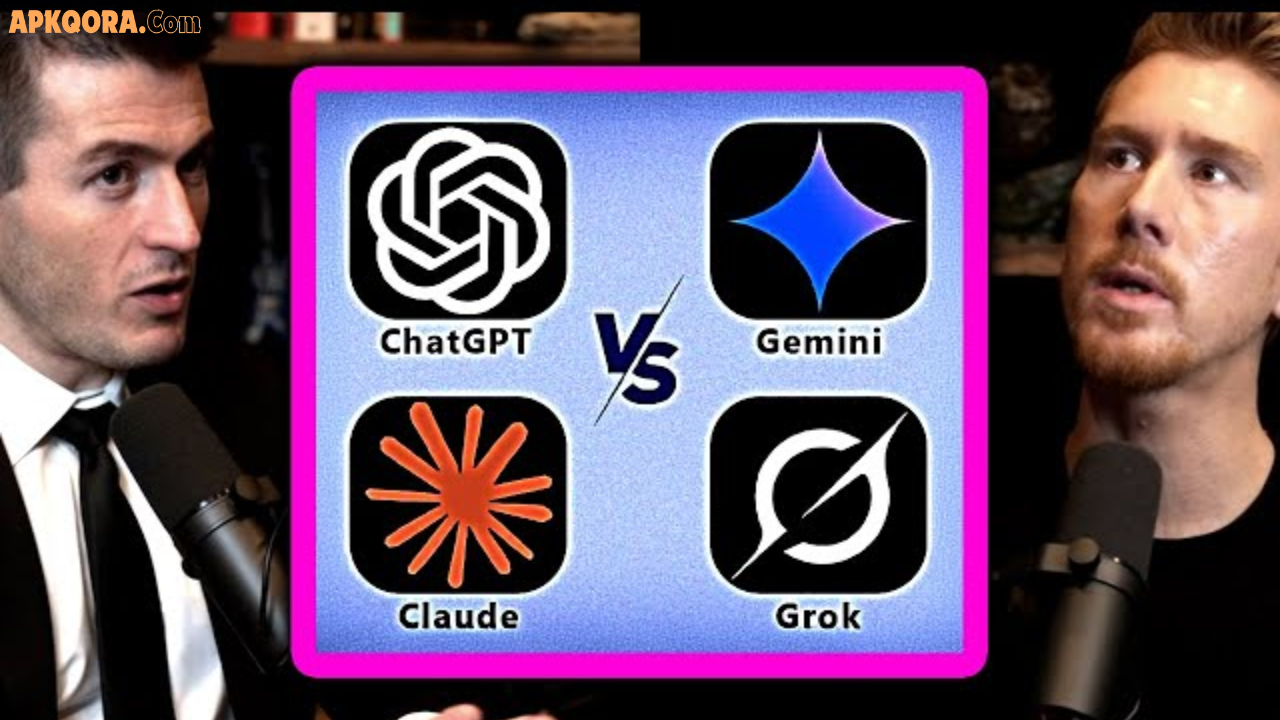
ChatGPT remains one of the most popular tools for writers worldwide. The free tier includes access to GPT-4o-mini with capabilities for complex reasoning, creative writing, and factual accuracy. You can upload images and files, browse the web for research, and access the GPT Store for specialized assistants. PostEverywhere
Best for: Blog drafts, brainstorming, research, multi-step writing tasks
2. Claude (by Anthropic)
Claude excels at creative writing with a warm, engaging tone. It is particularly good at capturing your voice and producing structured, well-organized content, with a 200K token context window that lets it work with long documents. PostEverywhere
Best for: Long-form articles, sensitive topics, brand-aligned writing
3. Google Gemini
Google Gemini shines for research-heavy content creation. It can pull real-time information from the web and integrates seamlessly with Google Docs, Sheets, and other Workspace tools. PostEverywhere
Best for: Research, current events, Google Workspace users
4. Perplexity AI
While other AI tools work with training data that might be months old, Perplexity pulls real-time information from the web and cites its sources — making it a trusted tool for accuracy-focused creators. DemandSage
Best for: Fact-checking, sourcing statistics, research-backed content
5. Canva (AI Features)
Canva’s AI features take its drag-and-drop design tools to the next level. Magic Design can produce on-brand graphics, presentations, or social posts quickly — best for teams that want to stay visually sharp without the budget for a designer. Gwi
Canva offers a free-forever plan with access to thousands of templates and design elements, suitable for individuals and small teams. The CMO
Best for: Social media graphics, presentations, visual content
6. Copy.ai
Copy.ai generates everything from blog intros to social ads in seconds. Its interface is simple, its tone options are flexible, and it works well for both long-form and short-form content. Gwi
Best for: Marketing copy, email subject lines, product descriptions
7. Grammarly (Free Tier)
Grammarly’s free tier goes well beyond grammar checks. Its built-in AI can generate fresh copy from scratch and refine messaging for clarity and impact — especially handy for short marketing pieces or social posts that need to be polished and engaging. VKTR
Best for: Editing, proofreading, tone improvement
8. DALL·E (via ChatGPT Free)
Built right into ChatGPT’s free tier, DALL-E is a simple and beginner-friendly AI image generator. It can turn a short prompt into basic illustrations, concept art, or blog-ready images in seconds. VKTR
Best for: Blog illustrations, social media visuals, concept art
9. Notion AI
For users already embedded in the Notion ecosystem, the ability to generate and refine copy directly within notes and task boards makes it a convenient tool for light content creation and revision. VKTR
Best for: Content planning, note-taking, team collaboration
10. Rytr
Rytr is great for creators who prefer a little structure. With built-in templates for common content types like product descriptions or landing pages, it is a go-to for early-stage startups or solo marketers looking for consistency. Gwi
Best for: Templates, structured content, quick drafts
Quick Comparison Table
| Tool | Best For | Free Tier |
|---|---|---|
| ChatGPT | Writing & Research | ✅ Yes |
| Claude | Long-form Content | ✅ Yes |
| Gemini | Real-time Research | ✅ Yes |
| Perplexity | Fact-checking | ✅ Yes |
| Canva | Design & Visuals | ✅ Yes |
| Copy.ai | Marketing Copy | ✅ Yes |
| Grammarly | Editing & Proofreading | ✅ Yes |
| DALL·E | Image Generation | ✅ Yes |
| Notion AI | Planning & Drafting | ✅ Limited |
| Rytr | Templates & Structure | ✅ Yes |
Pros and Cons of Free AI Content Tools
Pros:
- Save hours of writing and designing time
- No upfront cost to get started
- Suitable for all skill levels
- Constantly improving with new updates
Cons:
- Free tiers have usage limits
- Some advanced features require paid plans
- Output still needs human editing and review
- Not a replacement for original expertise and experience
Practical Tips for Getting the Best Results
Start with a clear goal. Before using any tool, know what you want to create — a blog post, a social caption, an image, or a video script.
Combine tools for better output. For most individual content creators, starting with ChatGPT plus Canva covers most text and visual creation needs at zero cost. Postiv
Always edit AI output. AI tools produce first drafts, not final content. Add your personal voice, real examples, and original insights before publishing.
Use AI for research too. Tools like Perplexity and Gemini help you find current data and statistics that make your content more authoritative.
FAQs
Q1: Are free AI tools good enough for professional content? Yes. Many free tiers are powerful enough for blogs, social media, and marketing. As your needs grow, you can explore paid plans.
Q2: Which free AI tool is best for writing blog posts? ChatGPT and Claude are both excellent for long-form blog writing. Claude is especially good for structured, detailed articles.
Q3: Can I use free AI tools for my business website? Absolutely. Tools like Canva, Copy.ai, and Grammarly are widely used by businesses of all sizes.
Q4: Do free AI tools produce original content? AI tools generate unique text each time, but you should always review and personalize the output to ensure originality and quality.
Q5: Will AI tools replace content creators? AI excels at the mechanical parts of content creation — generating first drafts, reformatting existing content, brainstorming. However, content that builds real trust requires personal stories, lived experience, and original perspective that AI cannot produce on its own. Postiv
Conclusion
Free AI tools have made content creation faster and more accessible than ever before. Whether you need to write a blog post, design a graphic, or generate an image, there is a free tool that can help you do it better.
The key is to choose tools that match your specific workflow and use them consistently. Start with one or two, get comfortable, then expand your toolkit as needed.
Ready to level up your content? Explore these tools today and see the difference AI can make in your creative process.