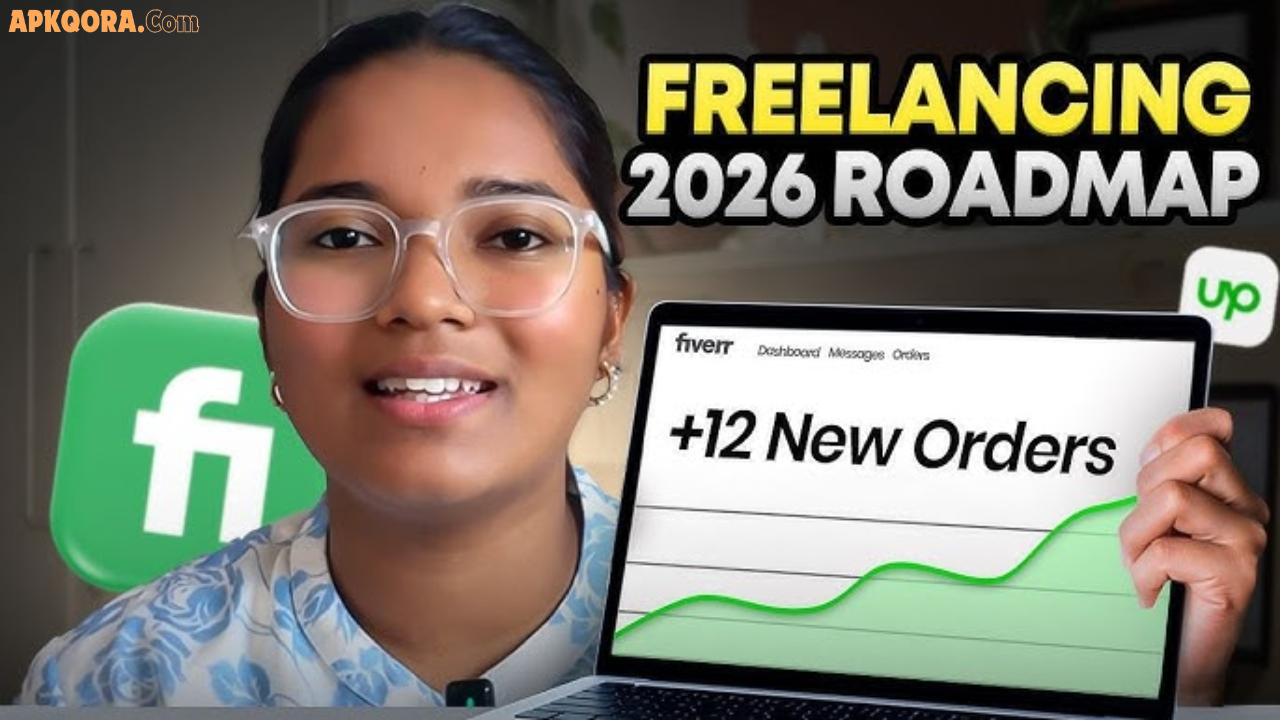

Have you ever dreamed of working from your laptop, setting your own hours, and getting paid for skills you already have? Freelancing makes that possible — and in 2026, it’s more accessible than ever.
Whether you’re a student, a job seeker, or someone looking for extra income, this guide will walk you through every step of starting your freelancing journey from absolute zero — no experience required.
By the end of this article, you’ll know exactly how to pick a skill, set up your profile, find clients, and earn your first payment online.
What is Freelancing?
Freelancing means offering your skills or services to clients as an independent worker — without being tied to a single employer.
Instead of a 9-to-5 job, you work on projects for different clients, set your own rates, and choose when and where you work.
Millions of people around the world freelance full-time or part-time in fields like writing, graphic design, web development, video editing, digital marketing, and much more.
Why Start Freelancing in 2026?
Freelancing has never been a better option than it is today. Here’s why:
Growing Global Demand Businesses of all sizes — from startups to large companies — are hiring freelancers to save costs and get specialized work done fast.
Low Barrier to Entry You don’t need a degree or office. A laptop, internet connection, and a marketable skill are enough to get started.
Flexible Income Potential Many freelancers earn more than traditional employees. As you grow your reputation, you can increase your rates significantly.
Work From Anywhere Freelancing gives you location freedom. You can work from home, a café, or while traveling.
Step 1 — Choose the Right Skill
The first and most important step is identifying what service you’ll offer. Here are some beginner-friendly freelancing skills in high demand:
- Content Writing & Copywriting — Blog posts, product descriptions, social media content
- Graphic Design — Logos, social media posts, branding
- Web Development — Building websites using WordPress, HTML/CSS, or JavaScript
- Video Editing — YouTube videos, reels, short-form content
- Digital Marketing — SEO, social media management, email marketing
- Virtual Assistance — Data entry, scheduling, research
- Translation — Translating content between languages
Practical Tip: Don’t try to learn everything at once. Pick one skill you enjoy or already know something about, and focus on getting good at it.
Step 2 — Learn and Build Your Portfolio
Clients won’t hire you without proof of your work — even if you’re just starting out.
How to build a portfolio with zero experience:
- Do 2–3 small projects for free or at a low rate for friends, local businesses, or nonprofits
- Create sample work (e.g., design a fake brand logo, write a sample blog post)
- Use platforms like Behance (design), GitHub (development), or Google Docs (writing) to showcase your work
Real Example: A beginner content writer can write 3–5 sample articles on topics they enjoy, publish them on a free Medium or WordPress blog, and share the link as their portfolio.
Step 3 — Set Up Your Freelancing Profile
Once you have a skill and samples, it’s time to create profiles on top freelancing platforms.
Best Platforms to Get Started:
- Upwork — Great for long-term projects and professional clients
- Fiverr — Ideal for offering packaged services (called “gigs”)
- Freelancer.com — Good for competitive bidding on projects
- Toptal — For experienced professionals (higher entry bar)
- PeoplePerHour — Popular in Europe and globally
Profile Tips:
- Use a clear, professional photo
- Write a headline that clearly states what you do (e.g., “SEO Content Writer for Tech & Business Blogs”)
- Keep your bio client-focused — talk about how you help them, not just your background
- Set realistic starting rates — you can increase them as you build reviews
Step 4 — Find Your First Client
Getting the first client is the hardest part — but once you do, momentum builds quickly.
Proven Ways to Find Clients:
- Apply on freelancing platforms — Send 5–10 personalized proposals daily on Upwork or Freelancer
- Use LinkedIn — Optimize your profile and connect with business owners in your niche
- Cold outreach — Email small businesses or startups offering your services with a clear value proposition
- Freelancing communities — Join Facebook groups, Reddit communities (like r/forhire), or Discord servers in your niche
- Referrals — Tell friends, family, and former colleagues what you’re doing
Proposal Writing Tip: Never send a copy-paste proposal. Read the job post carefully, mention something specific about the client’s project, and explain clearly how you can solve their problem.
Step 5 — Set Your Rates
Pricing is one of the biggest challenges for new freelancers. Here’s a simple approach:
For Beginners: Start with rates slightly below the market average to attract your first few clients and build reviews. Once you have 5–10 positive reviews, raise your rates.
How to Research Rates: Browse profiles of freelancers with 1–2 years of experience on Upwork or Fiverr in your niche to understand the going rate.
Pricing Models:
- Hourly Rate — Charge per hour of work (good for ongoing projects)
- Fixed Price — Charge a flat fee per project (good for defined tasks)
- Retainer — Monthly fee for recurring work (most stable income)
Best Tools for Freelancers in 2026
These tools will help you work smarter and impress clients:
| Tool | Purpose |
|---|---|
| Grammarly | Writing & proofreading |
| Canva | Graphic design |
| Notion | Project & task management |
| Trello | Client workflow management |
| PayPal / Wise | Receiving international payments |
| Zoom / Loom | Client communication & video updates |
| Google Workspace | Documents, sheets, and professional email |
Explore these tools to streamline your workflow and deliver professional results from day one.
Pros and Cons of Freelancing
Pros:
- Full control over your schedule and workload
- Unlimited earning potential
- Work from anywhere in the world
- Gain experience across multiple industries
- No office politics or commute
Cons:
- Income can be inconsistent, especially early on
- You handle your own taxes and finances
- No employee benefits (health insurance, paid leave)
- Finding clients requires continuous effort
- Isolation can be a challenge if you work alone
Practical Tips for Freelancing Success
- Communicate clearly and quickly — Respond to clients within 24 hours, always
- Meet your deadlines — Reliability is your biggest asset as a beginner
- Ask for reviews — After every successful project, politely ask the client to leave a review
- Keep improving your skills — The freelancing market evolves fast; stay updated
- Track your income and expenses — Use a simple spreadsheet or a free tool like Wave
- Avoid scope creep — Define what’s included in a project before starting, and charge for extra work
- Build a niche — Specialist freelancers earn more than generalists over time
FAQs — How to Start Freelancing Online
Q1: Can I start freelancing with no experience? Yes, absolutely. Everyone starts with zero experience. The key is to learn a skill, create sample work to show clients, and start with smaller, lower-budget projects to build your reputation.
Q2: How long does it take to earn money freelancing? Some people land their first client within 1–2 weeks, while for others it can take 1–3 months. It depends on your skill, niche, how actively you apply, and the quality of your proposals.
Q3: Which freelancing platform is best for beginners? Fiverr is often recommended for absolute beginners because you create a profile and clients come to you. Upwork is great if you’re willing to actively send proposals and have a more professional presentation.
Q4: Do I need a website to start freelancing? No, you don’t need a website to start. Platforms like Upwork and Fiverr act as your storefront. A personal website becomes helpful later when you want to attract direct clients outside of platforms.
Q5: How much can a beginner freelancer earn? Beginners typically earn between $300–$1,000 per month in the first few months. With experience, many freelancers reach $2,000–$5,000+ per month within a year or two.
Conclusion
Starting freelancing from zero in 2026 is completely possible — and thousands of people are doing it every single day.
The formula is simple: pick a skill, learn it well, build a small portfolio, set up your profiles on the right platforms, and keep showing up consistently.
Your first client won’t be your last. Every project you complete builds your confidence, your reputation, and your income.
Ready to take the first step? Get started today — explore the platforms mentioned above, pick your skill, and begin building the freelancing career you’ve been thinking about.